
Rwanda often enters a traveller's imagination as a single, extraordinary encounter: mountain gorillas in the Virunga forest. That encounter deserves its place. Yet it does not fully explain why people begin talking about a second visit before the first has settled into memory.
The pull is quieter. It is the change of scale between Kigali's hills and a misty trail near Musanze; the sudden opening of Akagera's savannah after days in a densely settled landscape; the seriousness with which the country asks visitors to encounter its history; and the feeling that a short, efficient itinerary has revealed only the outline.
This is not a claim that Rwanda feels the same to everyone. Travellers arrive with different histories, budgets and expectations. The more useful question is what the country makes possible when you give it attention beyond the headline.
The first impression is order. The lasting one is contrast.
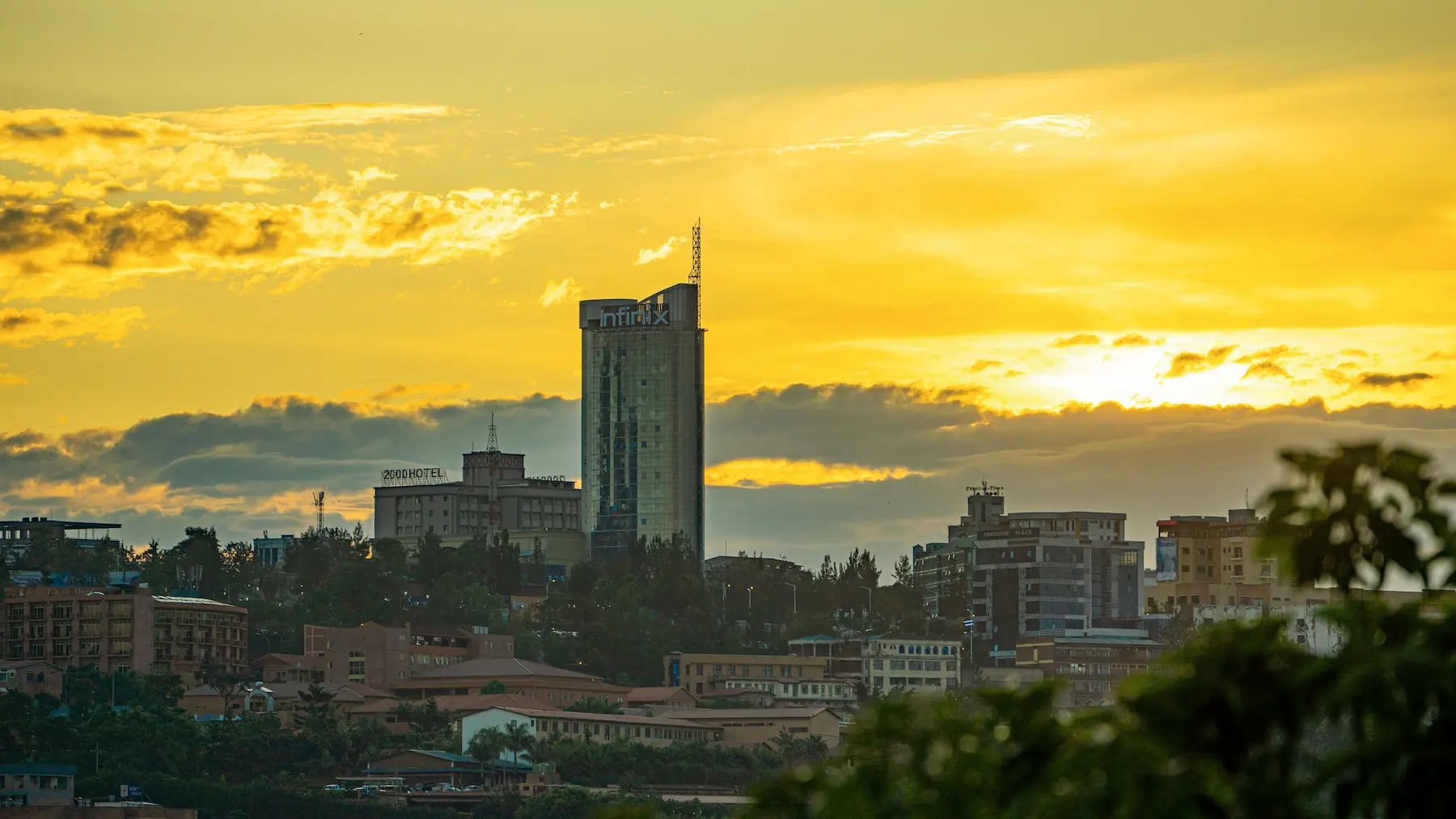
Kigali can feel unusually composed to a first-time visitor: broad views across the hills, active public spaces, controlled traffic and less visible litter than many travellers expect. Rwanda's restrictions on plastic carry bags and other single-use plastics are real policy, and Umuganda community work remains a visible part of civic life.
But cleanliness is not a national personality, and order is not the whole story. Treating either as proof that every place is effortless or every resident shares one experience turns observation into a stereotype. Kigali is a living capital, not a case study arranged for visitors. Its neighbourhoods, markets, galleries, cafés and memorial sites become more interesting when you stop asking whether they confirm the Rwanda you expected.
That is often the first reason to return: the initial surprise gives way to better questions. A second stay might leave room for a long conversation over coffee, an afternoon with contemporary art, or an ordinary walk that was squeezed out by the first trip's park transfers.

History cannot be reduced to an uplifting travel lesson
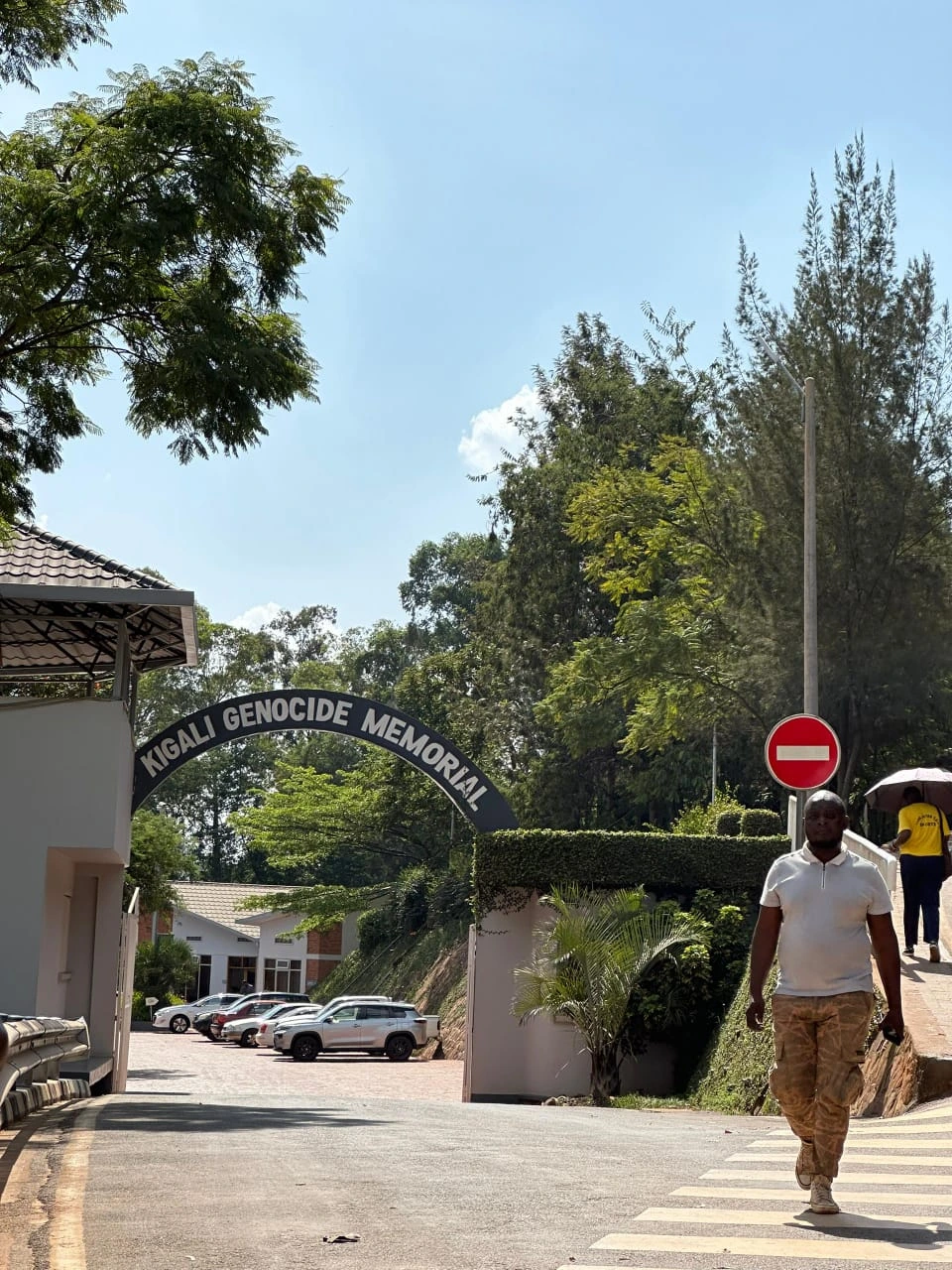
A thoughtful Rwanda journey makes room for the 1994 Genocide against the Tutsi without turning remembrance or reconciliation into spectacle. The Kigali Genocide Memorial provides essential historical grounding and a place of burial and remembrance. It deserves time, emotional space and respectful behaviour.
Visitors sometimes reach too quickly for a neat story of national healing. The reality belongs first to Rwandans, and no brief visit can resolve its grief, justice, memory or political complexity. Encounters presented as community or reconciliation experiences should be approached with care: ask who designed the visit, how participants choose to take part and where the money goes.
The value is not a dramatic claim that a traveller has “understood Rwanda.” It is the more modest recognition that the country's present cannot be separated from its history—and that listening is more responsible than extracting an inspirational conclusion.
The gorillas are a beginning, not a summary
Volcanoes National Park can be the emotional centre of a journey, but the trek itself is tightly managed: a permit for a specific date, an early briefing, a variable walk at altitude and—if the gorillas are located—one carefully controlled hour. That concentrated experience often creates curiosity rather than closure.
The wider Virunga landscape offers its own reasons to linger: changeable mountain weather, views across cultivated slopes, golden monkey tracking and serious hikes. Our Volcanoes National Park guide explains the permit, health and pacing decisions that matter before building a trip around the trek.
East of Kigali, Akagera disrupts the familiar image of Rwanda again. Its savannah, woodland, lakes and protected wetland support vehicle safaris and boat trips. Lion and rhino reintroductions restored the park's Big Five status, but the experience is better understood as a conservation landscape than as a checklist. Wildlife density and scale should not be assumed to match the Maasai Mara or Serengeti. The pleasure is in the change of habitat, lower-key game viewing and the possibility of adding a credible safari without leaving Rwanda.
That contrast is especially powerful on a return journey. A traveller who first came west for gorillas can return east for Akagera, or use the Akagera itinerary options to see how much time the park genuinely needs.
Rwanda is most memorable when it stops feeling like one immaculate route and starts revealing several different landscapes, histories and ways of paying attention.
Conservation has achievements—and a price
Tourism supports real conservation work in Rwanda. Mountain gorilla visits are deliberately limited, and Akagera's recovery since the Rwanda Development Board and African Parks formed a management partnership in 2010 includes the return of lions and rhinos. Those are substantive achievements.
The model also shapes who can participate. Rwanda's standard foreign-visitor gorilla permit is expensive, and high-end accommodation is prominent around Volcanoes. A concise itinerary can therefore cost more than the country's size suggests. That does not make the experience inauthentic; it does mean travellers should understand the trade-off rather than mistake premium pricing for a guarantee of intimacy, sightings or effortless logistics.
Responsible travel requires more than buying an expensive permit. It includes following health rules around primates, choosing credible operators, asking how community experiences are organised, paying porters and guides fairly, and leaving space for local lives that are not tourism products.
What changes on a return journey
The first Rwanda trip is often compressed by certainty: a gorilla permit fixes one morning, Kigali fills the arrival and departure edges, and everything else becomes an addition. The second can begin with a different question.
Perhaps you want a slower wildlife trip, with two nights in Akagera and a boat safari rather than a rushed day return. Perhaps you want to walk in the Virunga foothills without making every hour lead to gorillas. Perhaps the unfinished business is simply Kigali: another neighbourhood, another gallery, another conversation, and time to sit with what the memorial changed.
Returning does not mean searching for a deeper or more “authentic” Rwanda hidden from first-time visitors. It means travelling with fewer demands that the country perform a single story for you.