
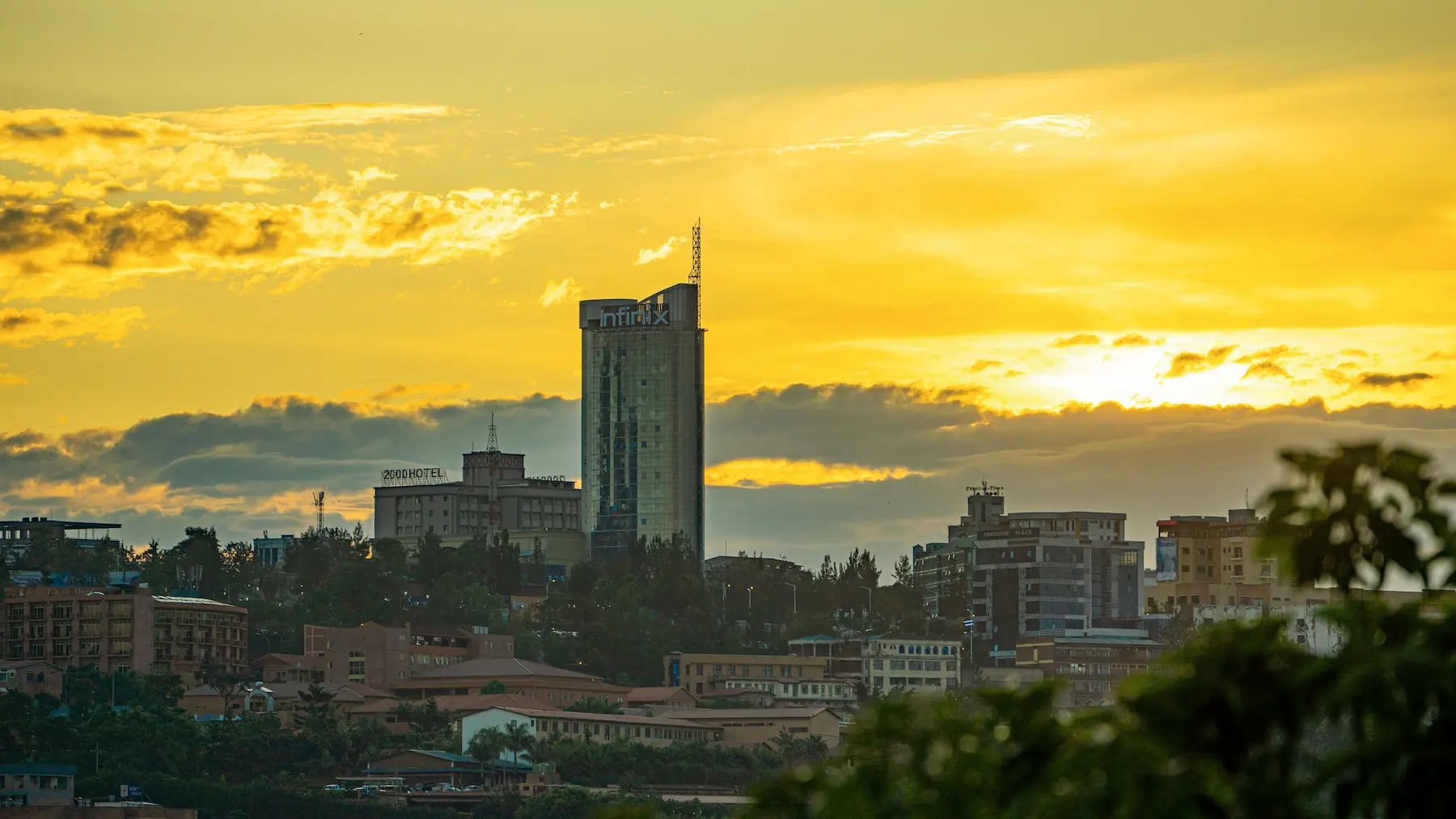
Rwanda doesn't just meet expectations—it shatters them. Across hundreds of authentic traveler accounts from TripAdvisor, travel blogs, and community forums spanning 2020-2025, three core reasons emerge for why visitors love Rwanda and plan return trips. These aren't the standard tourism talking points about gorillas and scenery. They're deeper emotional experiences that challenge assumptions, inspire hope, and create unexpected feelings of safety and belonging in a country most travelers initially knew only through its darkest chapter.
The answer isn't what you'd expect from typical Africa tourism: It's about walking Kigali's streets at midnight as a solo woman without fear. Watching an entire nation pause monthly to clean their neighborhoods together. Sitting in reconciliation villages where genocide survivors and perpetrators now live side-by-side.
The Shock Factor That Exceeds Every Preconception
Rwanda's most powerful draw isn't an attraction you can photograph—it's the visceral surprise of discovering a country that defies every stereotype about post-conflict Africa. This "exceeded expectations" phenomenon appears in nearly every detailed traveler account, often using identical language: "shocked," "surprised," "never expected," "completely changed my assumptions."
The safety revelation hits first and hardest. A woman living in Kigali wrote: "As a woman, I have never felt safer than I do living in Kigali. I walk around the city alone day and night, and people have been nothing but polite and respectful. There is no street harassment, no catcalling." This freedom to move—particularly for female travelers—becomes transformative. One Peace Corps volunteer described arriving back at Kigali airport after traveling elsewhere and tearing up when the border officer said "welcome home" because she'd come to associate Rwanda with genuine safety and tranquility.

The cleanliness strikes visitors with equal force. Travelers engage in a "game" of who would find the first "dirty" place in Rwanda. Nobody wins. This isn't marketing spin: the 2008 plastic bag ban is strictly enforced (customs will confiscate bags at the airport), and monthly Umuganda community cleanup days have created a visible culture of collective responsibility.
What's happening emotionally for travelers is profound: They're experiencing cognitive dissonance between their expectations of Africa and the reality they encounter. This gap creates a powerful emotional response—relief, surprise, even guilt about their initial assumptions. The infrastructure compounds this surprise. Good roads, reliable buses, comfortable accommodations, and professional services make Rwanda accessible without sacrificing authenticity.
Witnessing Forgiveness as a Living Practice, Not a Concept
The second core reason Rwanda resonates goes far deeper than typical historical tourism—it's about confronting the 1994 genocide and then witnessing what happens when a nation chooses radical reconciliation over revenge. This isn't comfortable tourism. Multiple travelers described being "brought to tears throughout" visits to the Kigali Genocide Memorial. But the emotional impact creates lasting perspective shifts that visitors describe as life-changing.
The reconciliation villages deliver the most profound shock. In these government-established communities, genocide perpetrators who have expressed genuine remorse live alongside the survivors of their crimes. One blogger visited such a village and wrote: "This was a little 'difficult' surprise. Difficult because it reminded me of the horrific recent history of Rwanda and difficult because it was hard to believe that forgiveness for horrific crimes is actually possible in reality... I still find this experience a little disturbing as well as moving. I find it hard to believe that such horrors can be forgiven. Left the village with a sense of 'hope' in humanity."
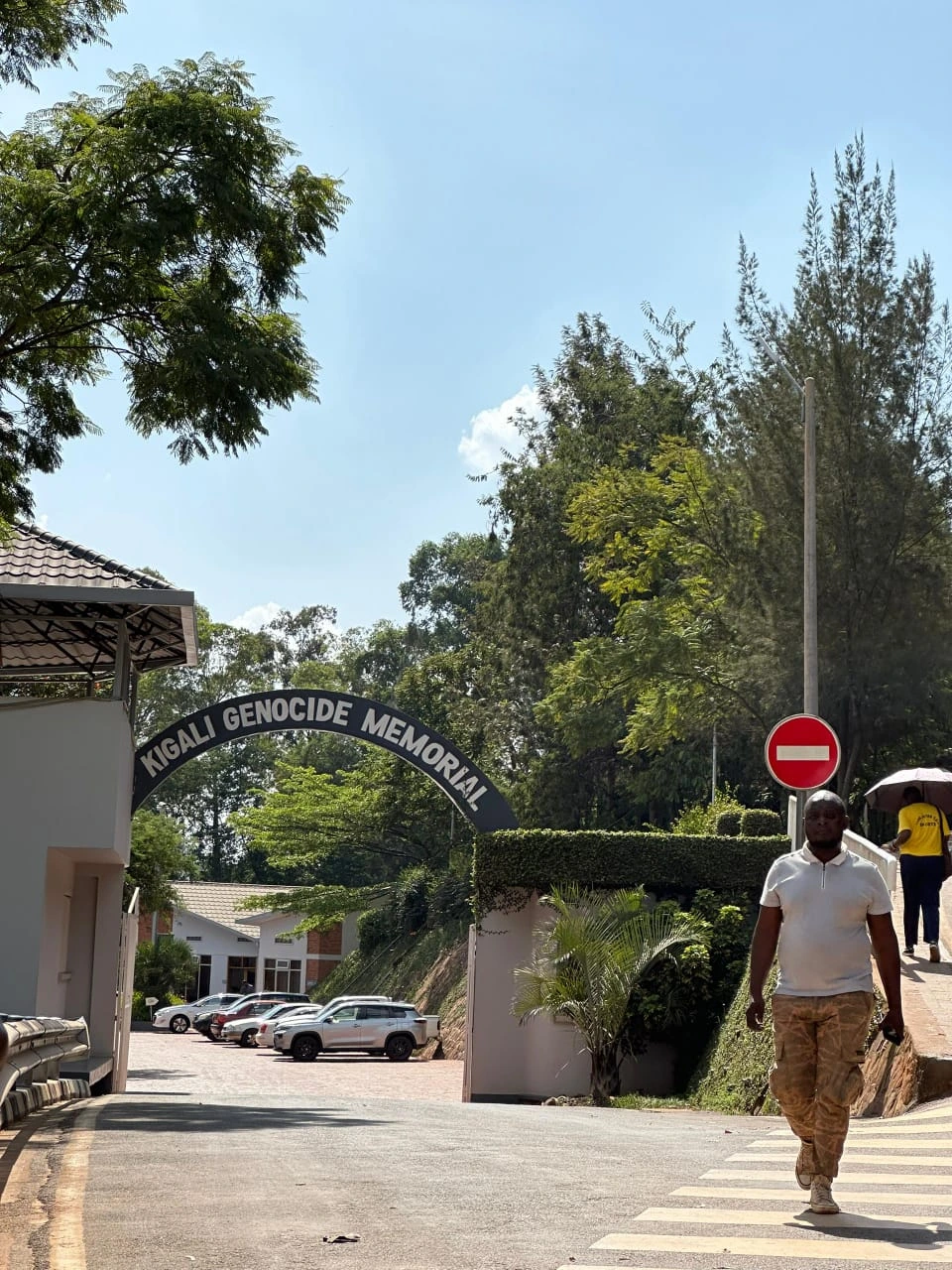
The power isn't in learning about reconciliation—it's in meeting people living it. When you sit with survivors and perpetrators who now share communities, the abstraction becomes visceral reality. This challenges fundamental assumptions about human nature, justice, and the possibility of healing after unimaginable trauma.
"Learning about the 1994 genocide, feeling the horror at the memorials, talking with survivors, and observing how Rwandans have somehow managed to live together and move on made us appreciate how lucky we are and how pointless our anger and petty feuds back home are."
Visitors consistently note the contrast between the trauma Rwanda endured just 30 years ago and the warmth they encounter today. People seemed friendlier and chattier than in many Western countries, from children chasing travelers for high fives to restaurant workers engaging in genuine conversation. It's an inspiring kindness perhaps rooted in unimaginable hardship.
Values You Can See in Action, Not Just Read About
The third distinctive draw cuts against typical travel experiences: Rwanda offers visible proof that systemic change is possible. In an era of climate anxiety, political polarization, and cynicism about institutions, travelers encounter a country where ambitious policies actually work—and where communities genuinely participate rather than just comply. This creates an unexpected emotional response: hope.
The plastic ban represents this most clearly. When Rwanda implemented its 2008 ban, they found genuine enforcement—border officials rifling through backpacks and confiscating plastic bags. The visible result is undeniable: Rwanda is remarkably plastic-free. One blogger concluded: "A nationwide plastic bag ban. It's possible, and it's an inspiration."
Umuganda—monthly community service—creates similar emotional impact. On the last Saturday of each month, businesses close and Rwandans spend 8-11am working on community projects: building roads, cleaning streets, planting trees, repairing schools. This visible collective responsibility creates feelings of safety and community that travelers rarely experience elsewhere.
The coffee culture surprises travelers because it represents excellence they didn't expect. Rwanda's coffee tastes, as one blogger put it, "like Rwanda looks: lush, fruity, colorful." The high quality of locally-grown coffee becomes a daily pleasure, and the café culture provides spaces to slow down and connect with Rwandans.
What's happening psychologically is complex: Western travelers often feel disconnected from their own communities, frustrated by political dysfunction, and skeptical about institutional promises. Rwanda offers a counter-narrative. The monthly cleanup days, the enforced environmental policies, the visible national pride—these aren't abstract ideals but lived practices.
The Eco-Tourism Question: Genuine Achievements Hiding Real Problems
On the crucial question of whether Rwanda genuinely appeals to eco-conscious travelers or primarily markets environmental credentials, the honest answer is uncomfortably complex: Rwanda delivers legitimate conservation successes while simultaneously implementing an elitist pricing model that contradicts inclusive eco-tourism principles.
The conservation wins are real and measurable. Mountain gorilla populations increased from fewer than 500 individuals in the 1980s to over 1,000 in 2022—a legitimate success story verified by international organizations including WWF and the International Gorilla Conservation Programme. The 24/7 ranger monitoring, strict visitor protocols, and anti-poaching programs funded by tourism represent genuine environmental stewardship.
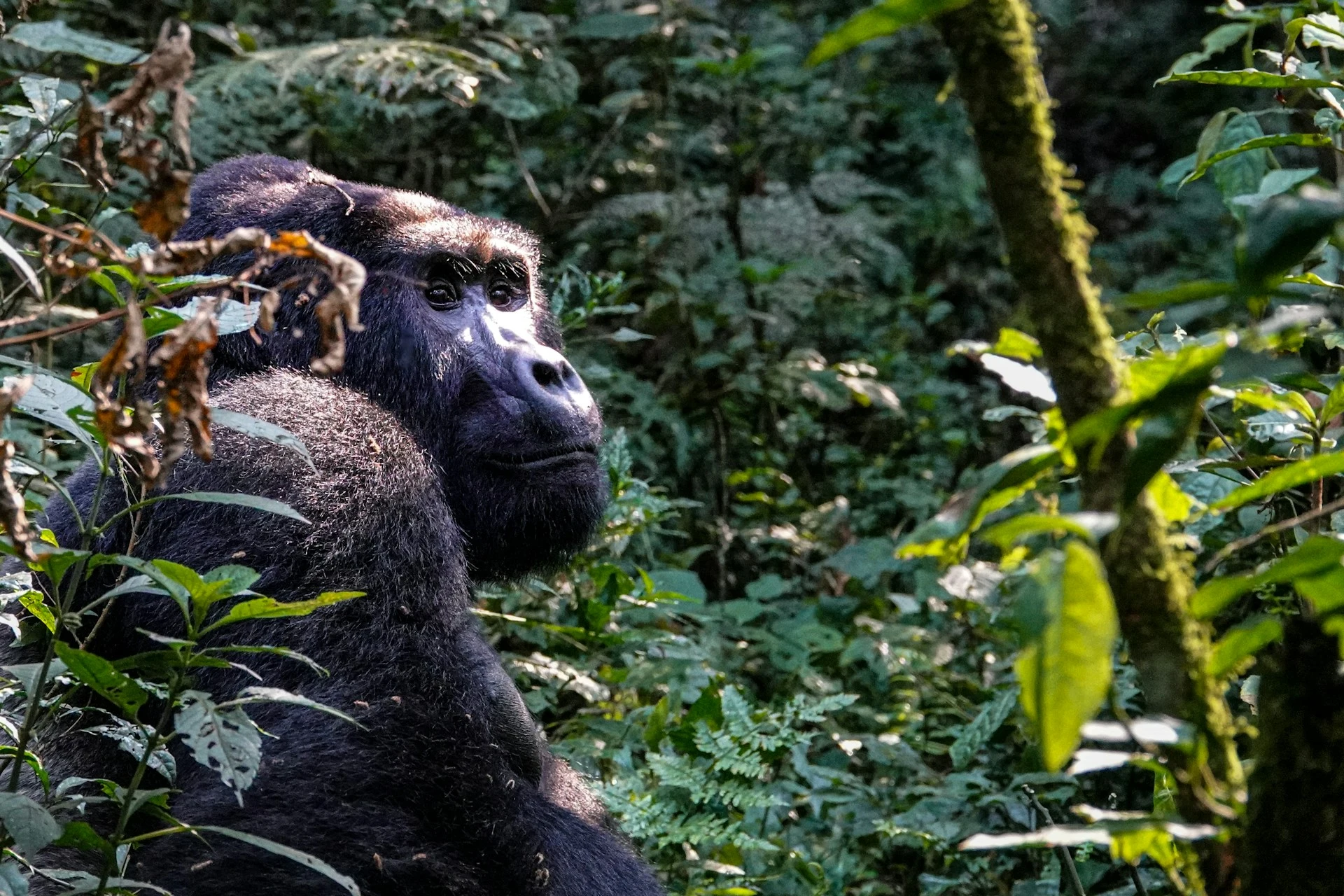
But significant problems undercut the environmental marketing. Rwanda charges $1,500 per person for gorilla trekking—double Uganda's $800 permit for the identical conservation experience. This pricing explicitly targets wealthy tourists while excluding the broader eco-conscious travel community. The government openly positions this as a "luxury destination" strategy, which contradicts the accessible, community-centered ethos that defines genuine sustainable tourism.
So does Rwanda genuinely appeal to eco-tourists? The answer depends entirely on what kind of eco-tourist you are. If you define eco-tourism as supporting legitimate conservation through responsible travel, Rwanda delivers. But if you define eco-tourism as accessible, community-centered sustainable travel that distributes benefits equitably, Rwanda falls short.
What Lies Beyond the Gorillas That Brings People Back
Rwanda's standard tourism pitch centers on gorilla trekking, but detailed traveler accounts reveal experiences beyond primates that create emotional connections driving return visits.
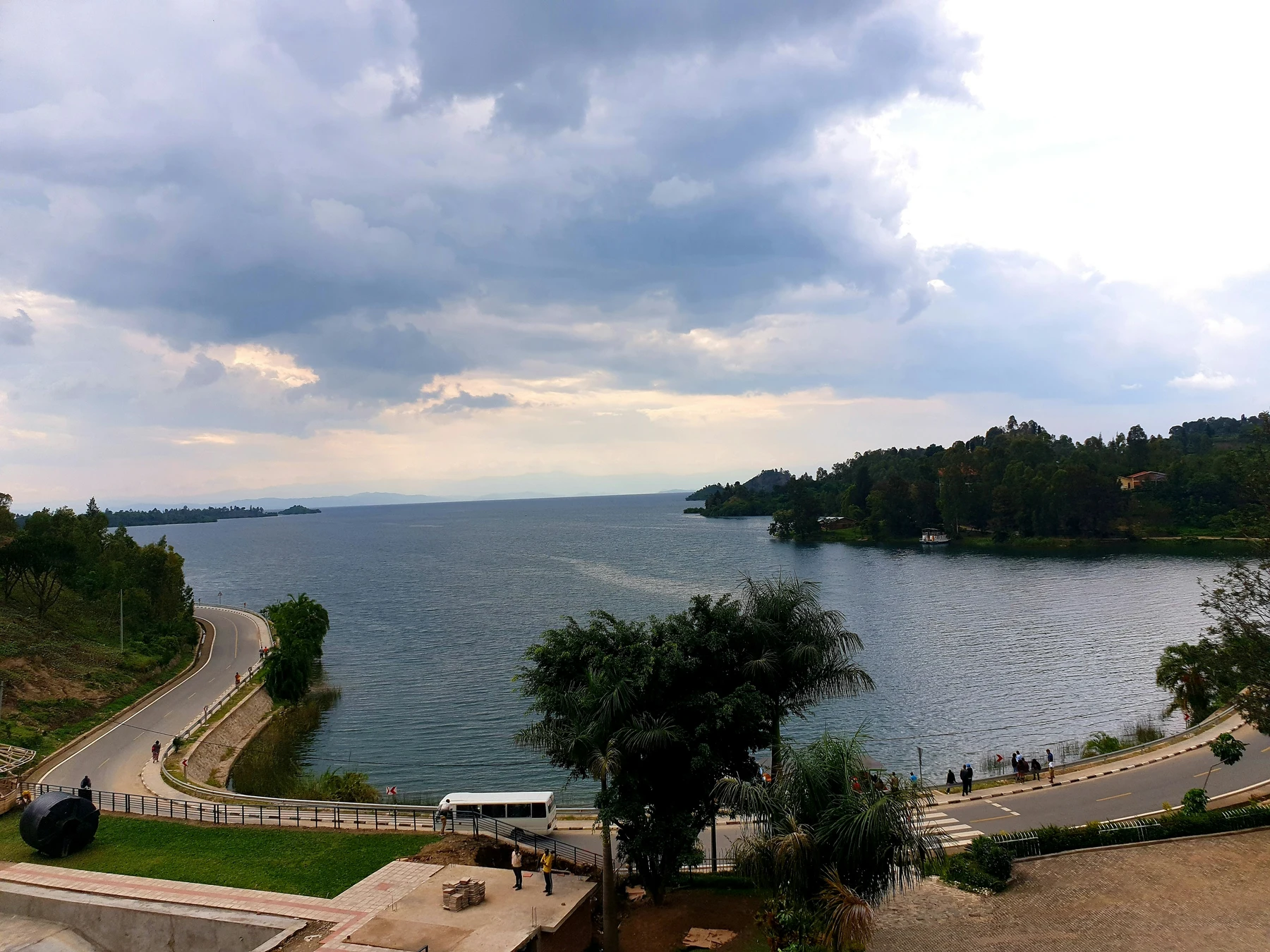
Lake Kivu surprised nearly everyone. Travelers discover "holiday-worthy beach resorts along the shores... freshwater so you don't have to shower after going swimming." The absence of hippos and crocodiles makes it safe for actual swimming—rare for African lakes—and the relaxed atmosphere provides contrast to trek-intensive days.
Community-based tourism creates authentic connections. Travelers describe beekeeping tours where they learn Rwandan beehives are sealed with cow dung and wear ordinary raincoats as protective gear—far from polished tourism experiences but deeply memorable. Local cooperatives where communities and the environment directly benefit from tourism stand out.
The arts and crafts cooperatives impressed travelers specifically because they're not commercialized. Unlike over-touristed destinations, Rwanda hasn't been flooded with mass-produced souvenirs. Nearly every town has an arts and crafts cooperative where you can watch artisans work and buy directly from creators.
Coffee culture deserves special mention because it appears in nearly every detailed account as an unexpected daily pleasure. Question Coffee, Crema Café, and Kivu Cup get mentioned by name repeatedly. The café culture provides spaces for meaningful interactions with Rwandans that structured tourism activities don't always allow.
The Honest Critiques That Matter
Balanced perspective requires acknowledging recurring disappointments. Food quality disappointed nearly everyone outside high-end restaurants and Kigali. Waits of over an hour for meals are commonplace. Weather unpredictability frustrated visitors who planned around dry seasons but experienced frequent rain.
The difficulty connecting with locals appears in enough accounts to warrant mention. While Rwandans are consistently described as polite and friendly, multiple bloggers noted interactions felt "flatter" than in neighboring countries. Language barriers play a role—Rwanda only adopted English for education in 2008, and the genocide's psychological impact likely contributes to emotional guardedness.
Cost concerns appear throughout discussions. Beyond the expensive gorilla permits, basic accommodations often exceed $100 nightly, and the "low quantity of high-paying tourists" strategy explicitly discourages budget travelers.
What This Means for Your Rwanda Journey
The story isn't about attractions—it's about emotional transformation. Rwanda offers three core experiences that standard tourism rarely delivers:
- The relief of discovering Africa isn't what you feared—safety, cleanliness, and organization that shatter stereotypes
- The perspective shift from witnessing radical reconciliation—meeting survivors and perpetrators living together, understanding how a nation chose forgiveness
- The hope from seeing values in action—proof that systemic change is achievable when many feel cynical about institutions
"Rwanda feels like more than just a beautiful destination. The country is a powerful story of resilience and renewal that doesn't shy away from its past, but isn't defined by it, either. It's a place that changes how you see the world."
The authentic story acknowledges Rwanda's complexity: A country that has achieved remarkable transformation while struggling with the costs that transformation imposed. A destination that exceeds expectations dramatically while disappointing on specific fronts. A conservation leader that protects gorillas successfully but creates challenges in the process. This nuanced reality—neither pure success nor failure—is what makes Rwanda genuinely interesting and worth exploring with clear eyes.
Author: Kora Culture Connect —