
Visit Kenya
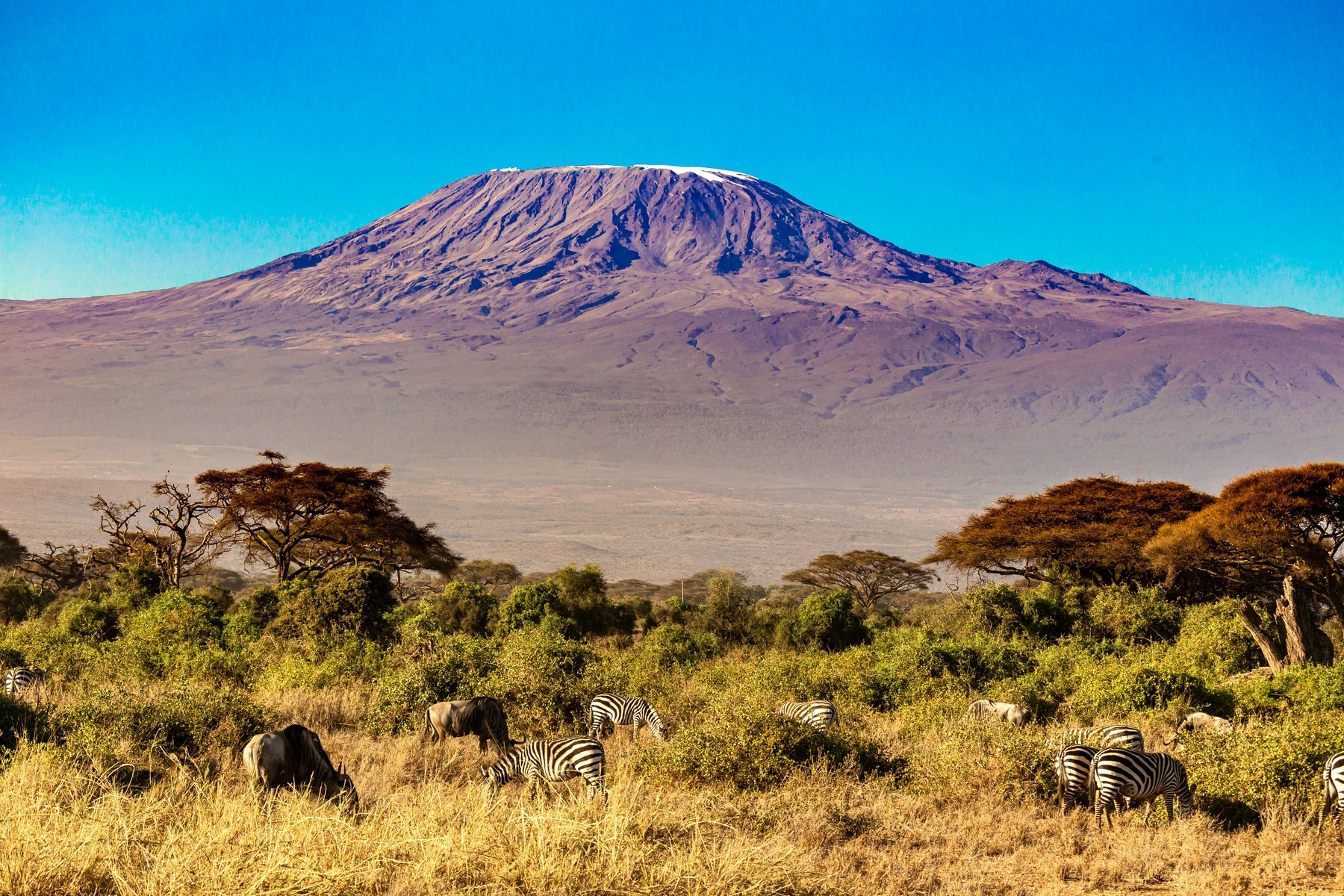
Kenya is the birthplace of the classic African safari, offering iconic savannah landscapes, the legendary Maasai Mara, snow-capped Mount Kenya, and the rich living culture of the Maasai people. From the Great Wildebeest Migration to flamingo-fringed lakes, Kenya delivers wildlife spectacles that define East Africa.
5 Tours
Frequently Asked Questions
Do I need a visa to visit Kenya?
Kenya introduced the Electronic Travel Authorisation (ETA) in January 2024, replacing the traditional visa system for most nationalities. The ETA is obtained online before travel and costs USD $30 per person. Citizens of East African Community member states (Uganda, Tanzania, Rwanda, Burundi, South Sudan, and DRC) are exempt. We recommend applying at least 72 hours before departure to allow processing time.
When is the best time to visit Kenya for the Great Migration?
The Great Wildebeest Migration reaches the Maasai Mara between July and October, with the dramatic Mara River crossings typically occurring from August through September. This is Kenya's peak safari season and the best time to witness one of nature's greatest spectacles. That said, Kenya's wildlife is outstanding year-round — the dry seasons (January–February and June–October) generally offer the best game viewing across all parks, while the green seasons bring lush scenery and excellent birdwatching.
What currency is used in Kenya and how should I handle money?
Kenya's official currency is the Kenyan Shilling (KES). USD is widely accepted at lodges, safari operators, and in tourist areas, particularly in the Maasai Mara region. ATMs are available in Nairobi and major towns. M-Pesa mobile money is ubiquitous and can be used across much of the country. For bush camps and smaller reserves, carry some cash as card facilities may be limited. We recommend budgeting in USD for most safari-related expenses.
Is Kenya safe for tourists?
Kenya's major national parks and safari areas are safe and well-managed, with established tourism infrastructure and experienced ranger presence. Nairobi requires standard urban precautions — avoid displaying valuables, use reputable transport, and stay in tourist-friendly areas. Coastal and northern border regions near Somalia carry higher risks and are not part of our itineraries. All our tours use licensed, professional guides and follow Kenya Wildlife Service safety guidelines. We strongly recommend comprehensive travel insurance before departure.
How do I get to the Maasai Mara from Nairobi?
The Maasai Mara is approximately 270 km southwest of Nairobi. The most popular options are a scheduled light aircraft flight from Wilson Airport (45–60 minutes, highly recommended for comfort and time) or a road transfer by 4WD safari vehicle (5–6 hours depending on road conditions). Our safari packages include transport arrangements, and we will advise on the best option based on your group size, budget, and itinerary. Most travellers fly one-way and return by road, or vice versa.