4-Day Mount Kenya Trek (Naro Moru Route)
4-Day Mount Kenya Trek (Naro Moru Route)
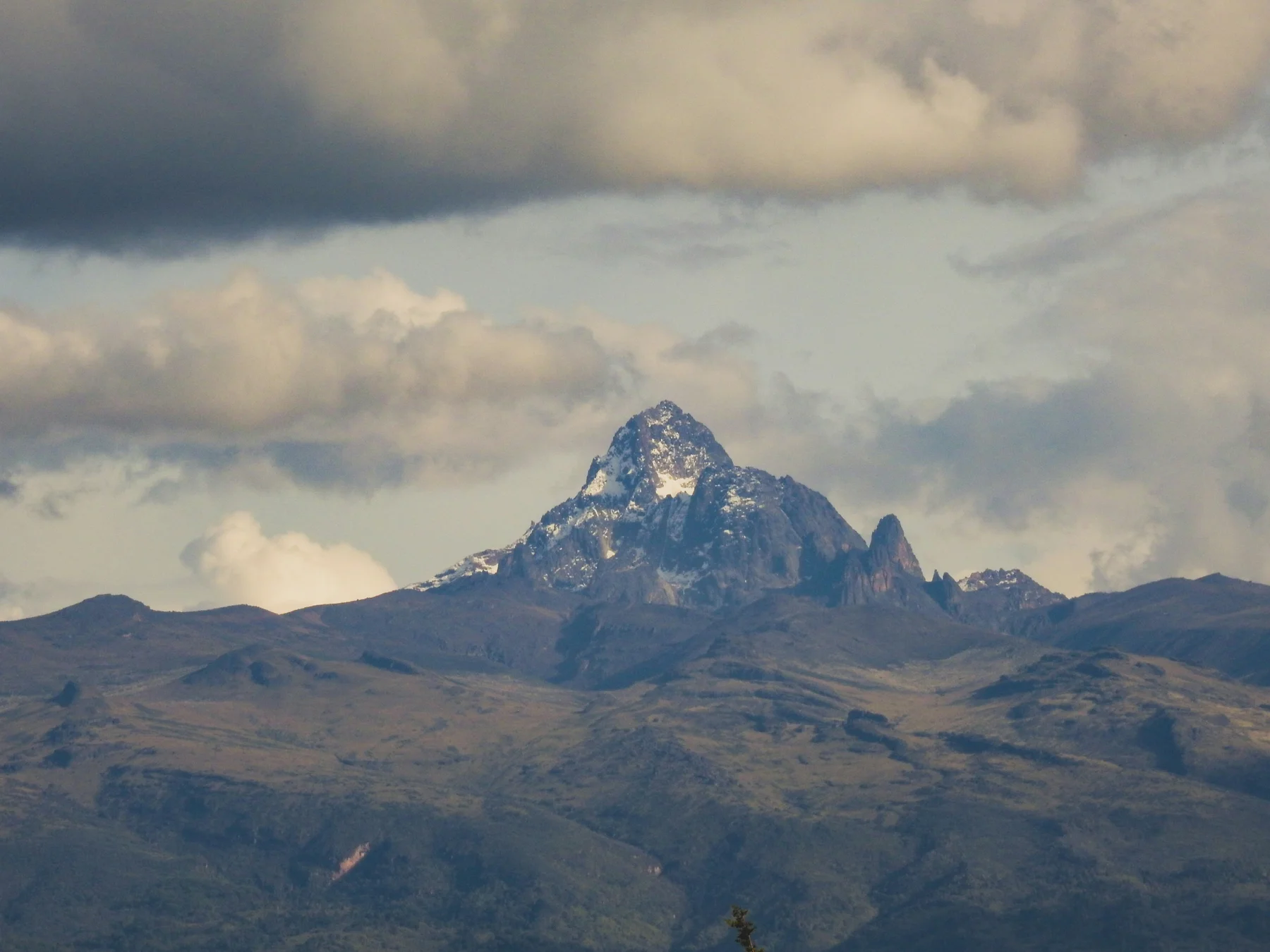
Stand on the roof of Kenya on this guided 4-day Mount Kenya trek via the Naro Moru Route — the most direct and popular path to Point Lenana (4,985m), the mountain's trekking summit. Africa's second-highest peak offers a dramatic and varied landscape: montane forest alive with colobus monkeys and buffalo, ancient bamboo groves, open moorland carpeted in giant lobelias and groundsels, and finally the raw, glaciated alpine zone where ice and rock meet the sky.
Unlike Kilimanjaro, Mount Kenya rewards trekkers with a more intimate, wild, and technically varied experience — with far fewer crowds and a genuine sense of wilderness adventure. The summit views stretch over the Rift Valley to the west and the vast plains towards the Indian Ocean to the east.
Ideal for: Fit hikers and trekkers with some hill-walking experience. No technical climbing skills required for Point Lenana. A good level of physical fitness is essential.
Detailed Itinerary
Day 1: Nairobi → Naro Moru Gate → Met Station (3,050m)
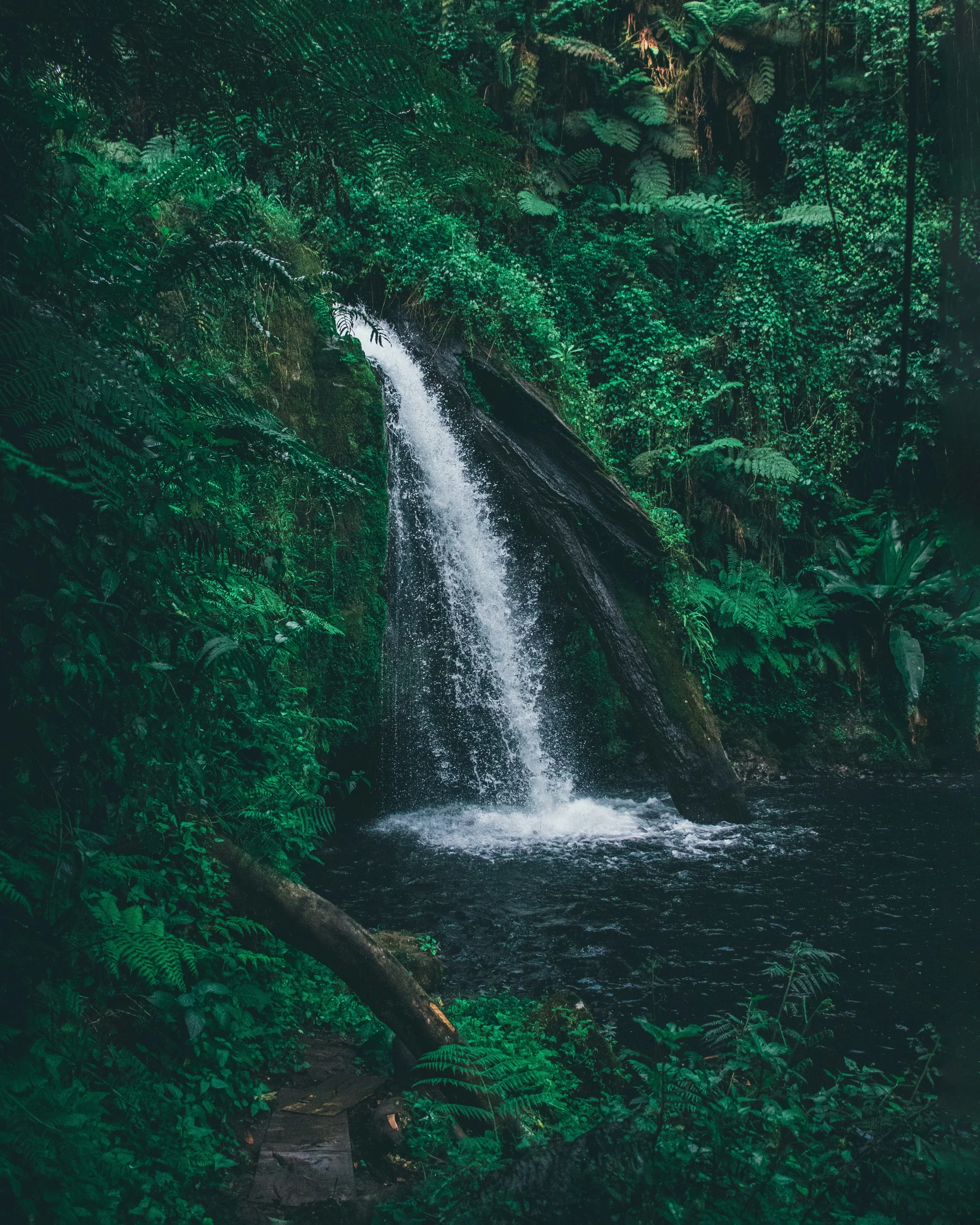
Depart Nairobi early morning (approximately 3 hours to Naro Moru). After a park briefing and equipment check, begin trekking through lush montane forest, passing giant fig trees and listening for the calls of Colobus monkeys overhead. The trail ascends steadily through the forest zone to the Met Station clearing — a good first campsite for acclimatisation.
- Trek through montane forest zone (2,400m–3,050m)
- Colobus monkeys, buffalo, and forest elephants possible
- Arrive at Met Station for overnight stay
- Met Station Hut (basic mountain hut) or tent camping
Meals: Lunch (packed) & Dinner
Trekking time: ~4–5 hours | Altitude gain: ~650m
Day 2: Met Station → Mackinder's Camp (4,300m)
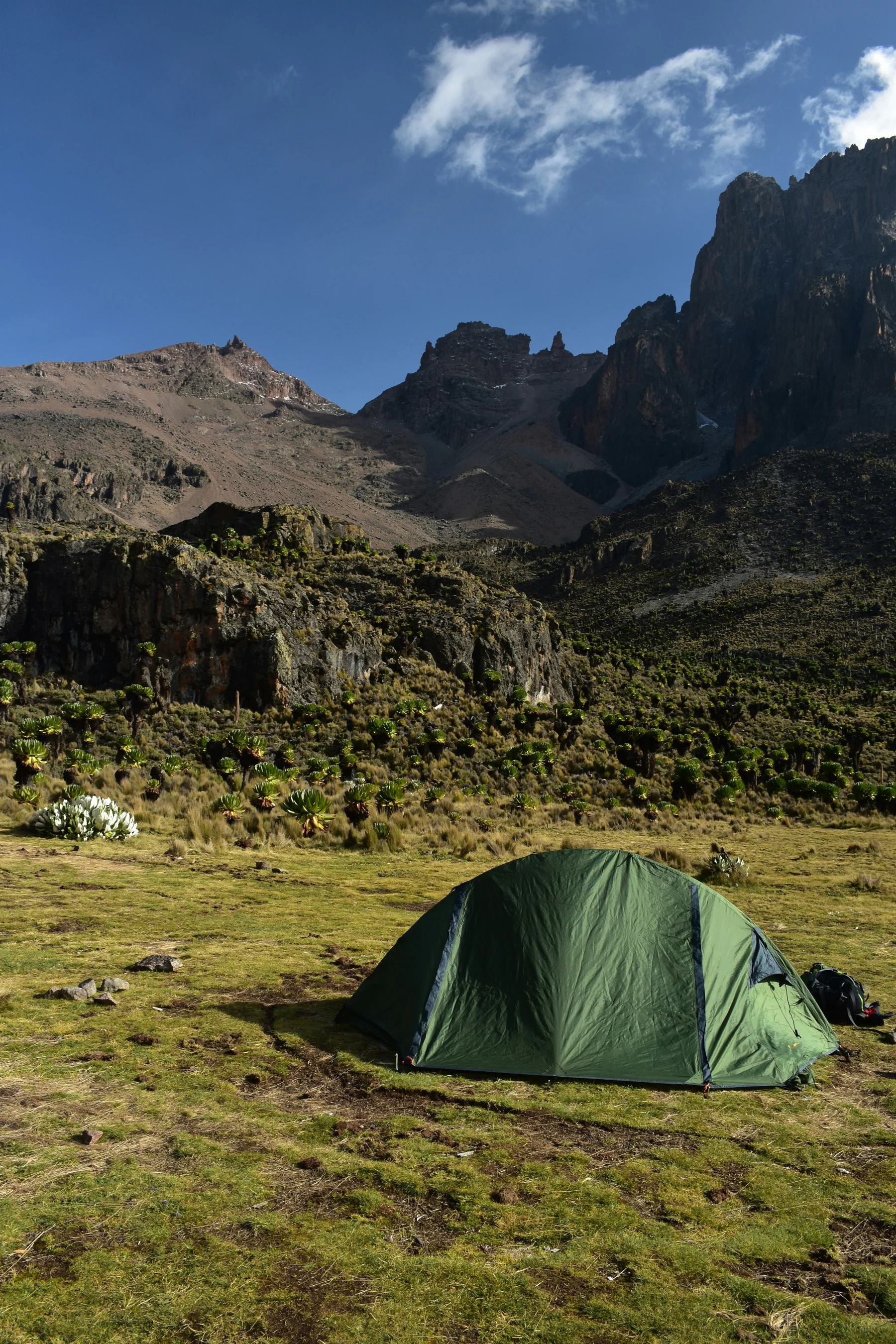
Today is the most dramatic day of the ascent — a long climb through the infamous Vertical Bog section into the open Teleki Valley, surrounded by giant lobelias, groundsels, and heather. The landscape becomes increasingly otherworldly as you gain altitude. Mackinder's Camp sits below the main peaks with stunning direct views of Batian and Nelion.
- Giant lobelia and groundsel moorland zone
- Teleki Valley — dramatic alpine scenery
- First views of Batian (5,199m) and Nelion (5,188m) peaks
- Drink plenty of water and take altitude slowly
- Mackinder's Camp (mountain hut) or tent camping
Meals: Breakfast, Lunch (packed) & Dinner
Trekking time: ~6–8 hours | Altitude gain: ~1,250m
Day 3: Summit Day — Mackinder's Camp → Point Lenana (4,985m) → Descent
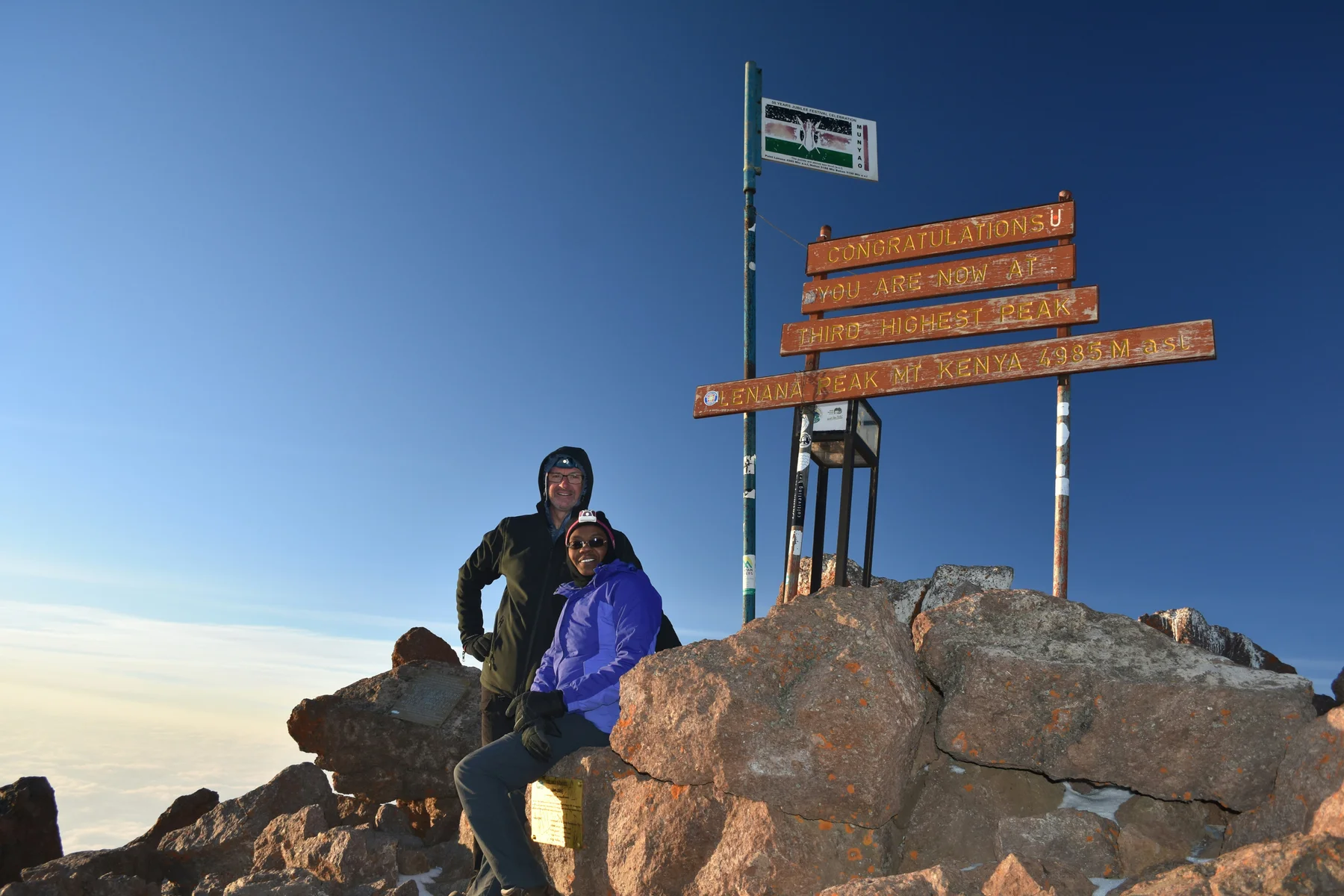
Wake at midnight for a pre-dawn summit attempt. The ascent to Point Lenana in the dark is strenuous but deeply rewarding — arriving at sunrise to watch the Kenyan plains light up below you is an experience that stays with you forever. After celebrating at the summit (4,985m), descend to Mackinder's Camp for a well-earned rest, then continue descent to the Old Moses Camp or Met Station.
- Midnight departure to reach Point Lenana at sunrise
- Summit views: Rift Valley to the west, vast plains to the east
- Glaciers of Batian and Nelion visible at close range
- Descend after summit to lower camp
- Old Moses Camp or Met Station Hut
Meals: Breakfast & Dinner (packed snacks for summit night)
Trekking time: ~10–12 hours total (ascent + descent)
Day 4: Final Descent → Naro Moru Gate → Nairobi
After breakfast, complete the descent back through the montane forest to Naro Moru Gate. Sign out at the park register and drive back to Nairobi, arriving mid-afternoon. Sore legs, a certificate of achievement, and memories that last a lifetime.
Meals: Breakfast & Lunch (packed)
End of Trek
✅ Trip Includes:
- Accommodation in mountain huts as per the itinerary
- All meals during the trek
- Experienced certified mountain guide
- Porters (luggage carry up to 15kg per trekker)
- Mount Kenya National Park entrance fees and rescue fees
- Round trip transfers from Nairobi
- Summit certificate
- Drinking water throughout the trek
❌ Trip Excludes:
- International and domestic flights
- Kenya visa fees
- Travel and emergency evacuation insurance (strongly recommended)
- Personal trekking equipment (sleeping bag, trekking poles, boots)
- Tips and gratuities for guide and porters
- Alcoholic and soft drinks
- Personal expenses
Frequently Asked Questions (FAQs)
1. How fit do I need to be for this trek?
A good general fitness level is required — you should be comfortable walking for 6–8 hours a day on uneven terrain. No technical climbing skills are needed for Point Lenana. We recommend regular cardiovascular exercise (hiking, running, cycling) in the 4–6 weeks before your trek. Anyone with heart or respiratory conditions should consult a doctor before booking.
2. What about altitude sickness?
Altitude sickness (AMS) is a real risk above 3,000m. Our 4-day itinerary includes a rest day at Mackinder's Camp to aid acclimatisation. Hydrate well, ascend slowly, and descend immediately if symptoms worsen. We recommend consulting a doctor about Diamox (acetazolamide) before your trip. Our guides are trained in altitude sickness recognition and first aid.
3. What gear do I need to bring?
Essential items include: waterproof hiking boots, a warm sleeping bag (rated to -10°C), thermal base layers, a fleece mid-layer, a waterproof outer shell, lightweight trekking trousers, gloves and a warm hat, trekking poles (highly recommended), and a headlamp for the summit night. Sunscreen, lip balm, and UV-blocking sunglasses are essential at altitude. A full gear list will be sent upon booking.
4. When is the best time to trek Mount Kenya?
The best trekking seasons are January–February and July–September when dry conditions make trails safer and summit views clearer. The long rains (March–May) and short rains (November) make the Vertical Bog section significantly more challenging. December and June can be good shoulder months with fewer trekkers and reasonable conditions.
5. Is travel insurance required?
Travel insurance with emergency helicopter evacuation cover is strongly recommended for all high-altitude trekking. In the event of severe altitude sickness or injury, helicopter evacuation from the mountain may be necessary. Please ensure your policy explicitly covers trekking above 4,000m. We can recommend suitable insurers upon booking.
On this tour