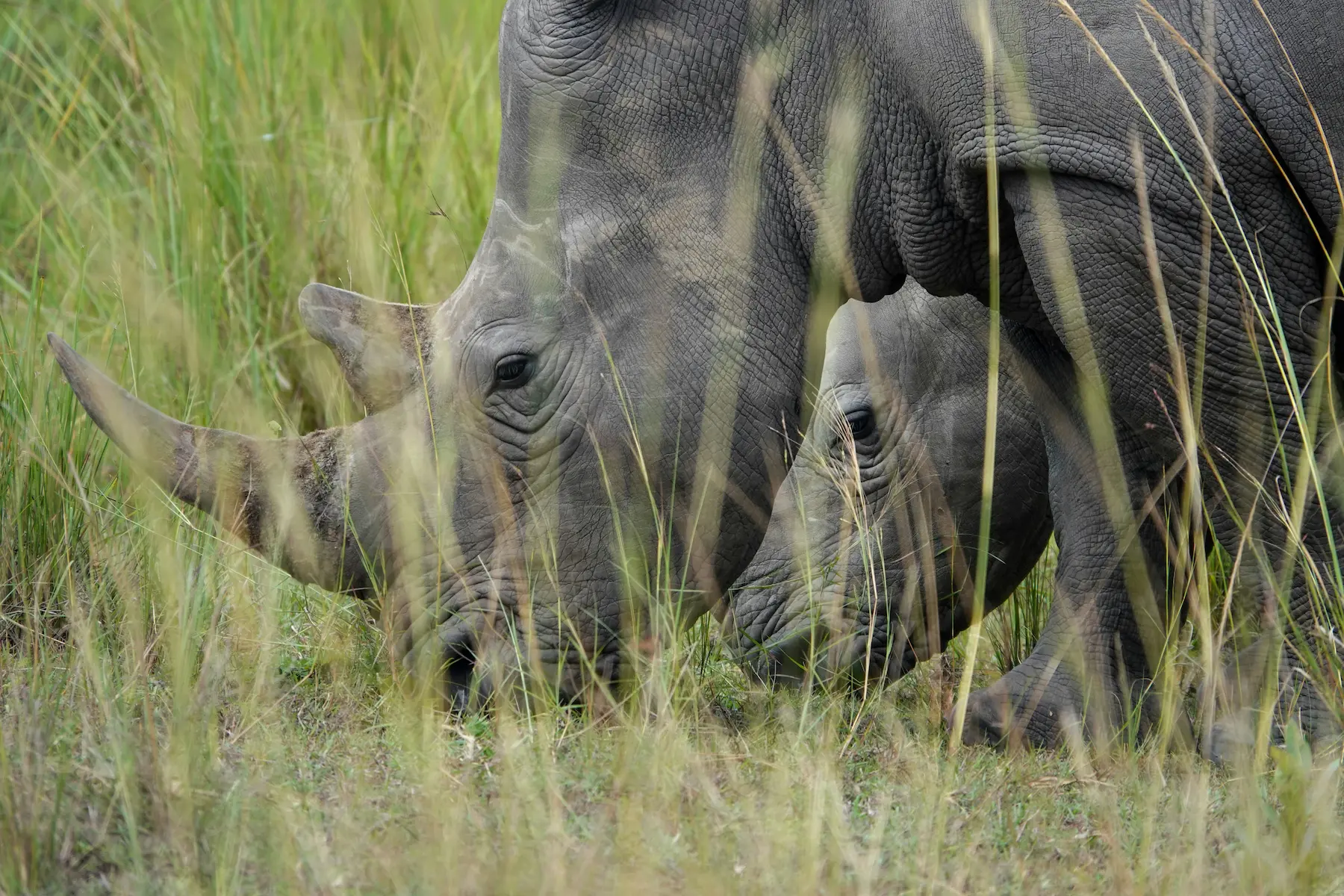
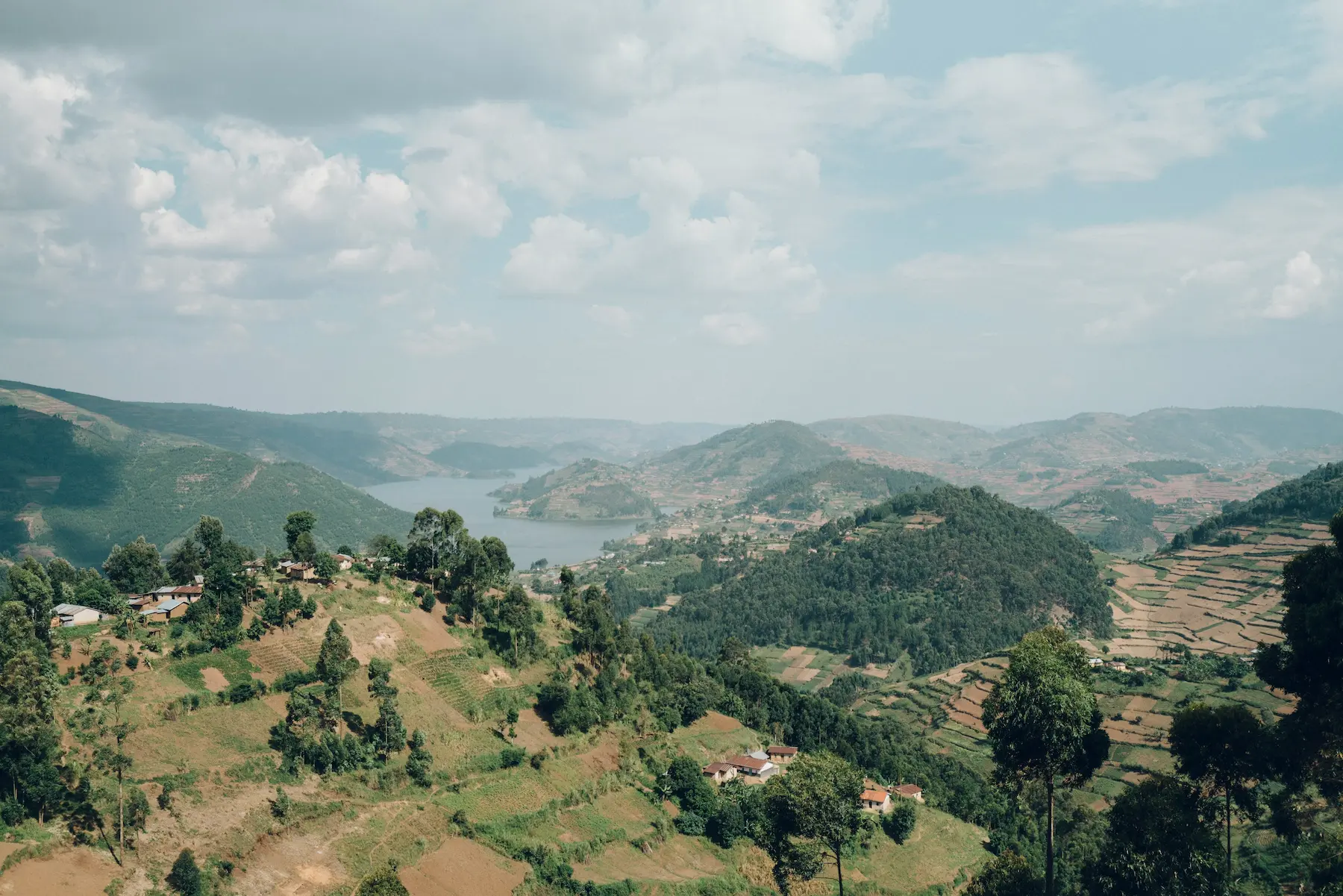
Uganda markets itself as the "Pearl of Africa," and first-time visitors come expecting mountain gorillas, the source of the Nile, and perhaps a safari or two. What they don't expect is the magnetic pull that brings them back, again and again—not for the bucket list items they've already checked off, but for something far more personal and transformative.
The Guide Who Becomes Family
Sarah from the UK thought she was hiring a guide for her gorilla trek in Bwindi. What she got was Moses, who not only knew every bird call in the forest but also invited her to his daughter's naming ceremony six months later. When she returned, she found herself sitting with his extended family, learning to prepare matooke, and discovering that the real treasure wasn't the hour with the gorillas—it was the relationships that outlasted the trek.
"I've been back four times now. Moses's family expects me. His mother teaches me to weave baskets, his children call me 'Auntie.' I initially came for the wildlife, but I return for the people who've become my Ugandan family." — Sarah, UK
This phenomenon repeats across Uganda. Guides become lifelong friends, porters become business partners, and what starts as a commercial transaction transforms into genuine human connection. The warmth isn't performative—it's cultural DNA, woven into daily life where greetings matter more than schedules and relationships trump transactions.
The Habituation Experience That Changes Everything
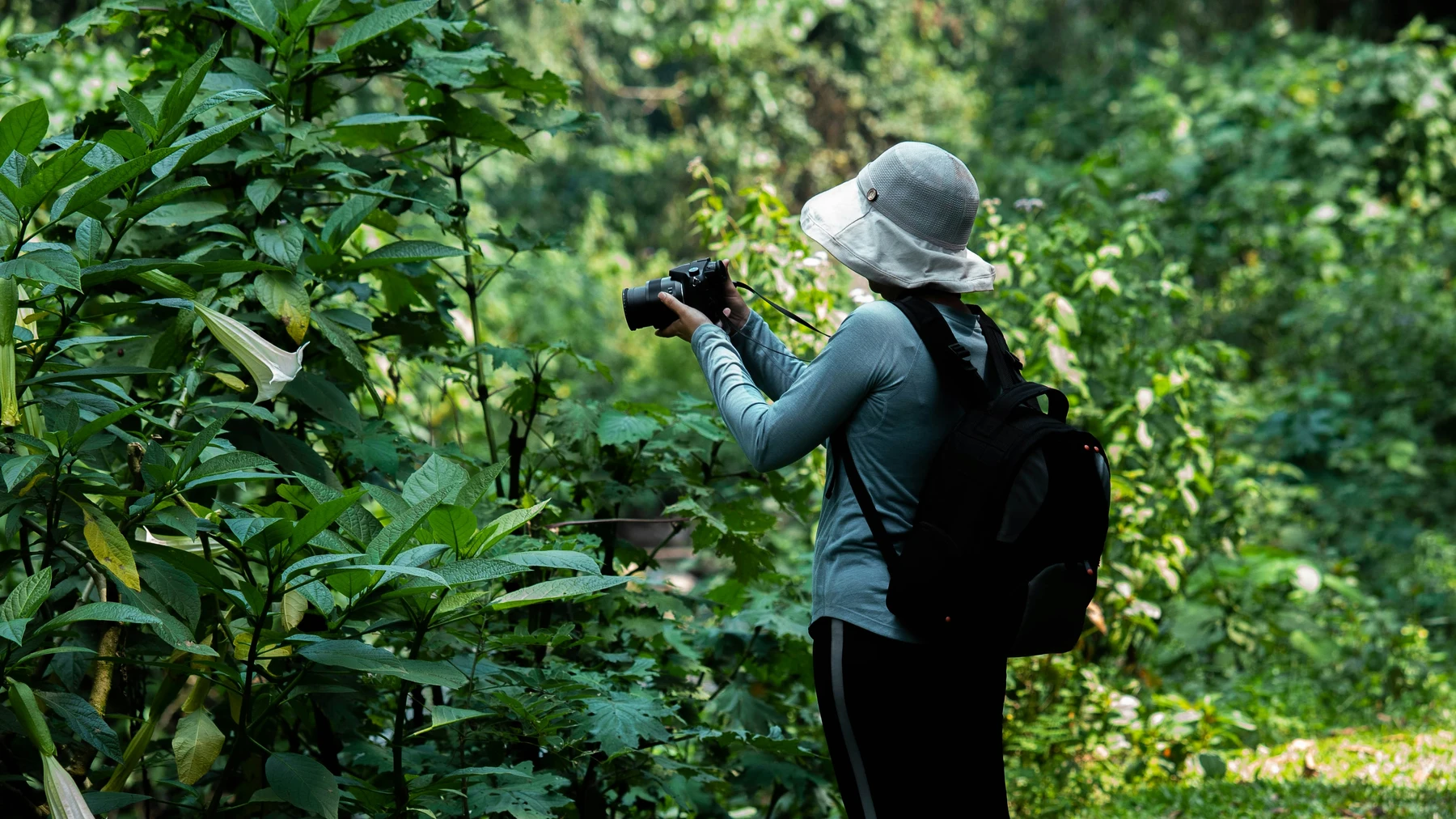
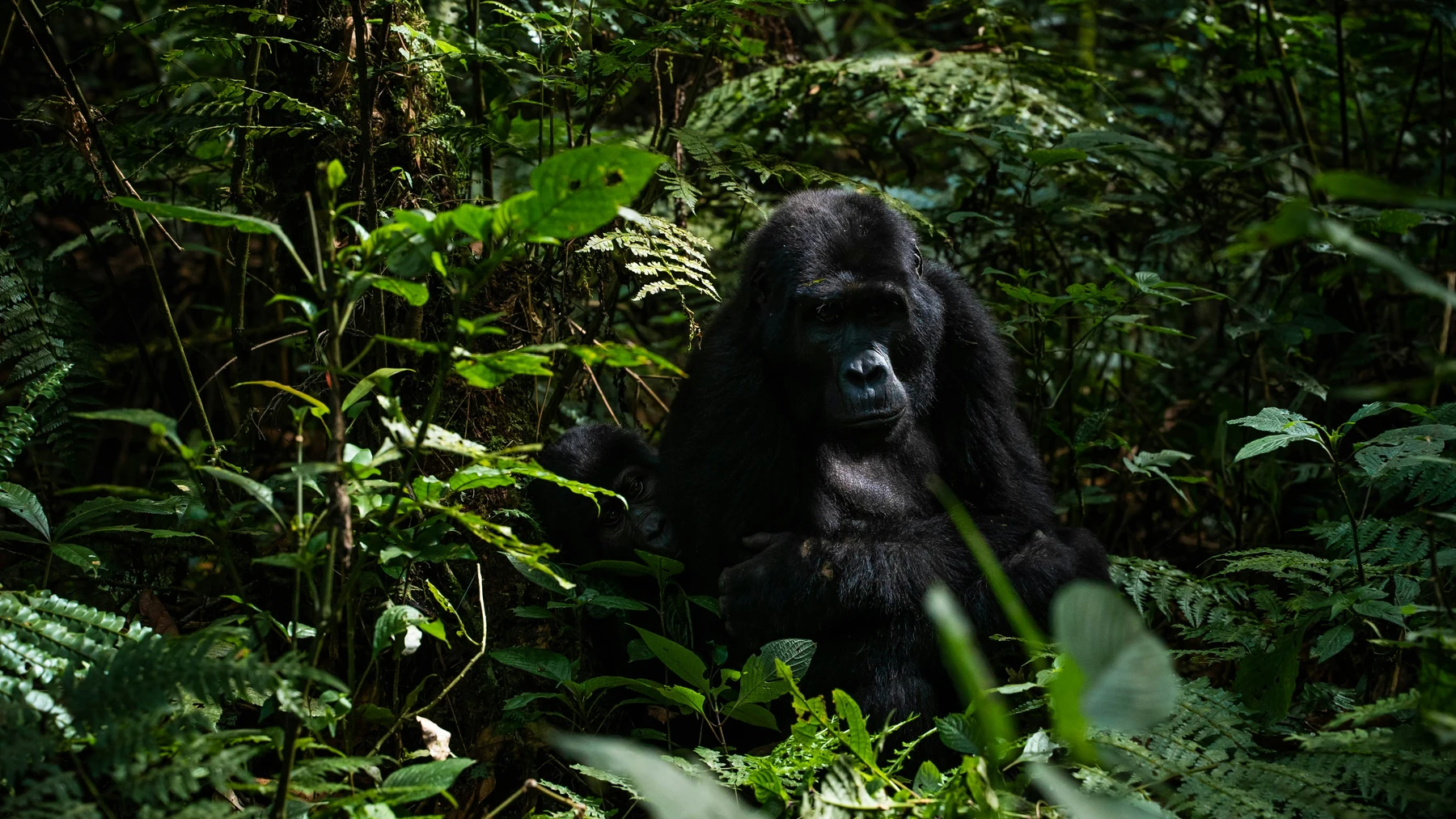
While most tourists spend their allotted hour with habituated gorilla families, a select few join the habituation process—spending four hours with gorilla families still learning to accept human presence. It's raw, unpredictable, and profoundly intimate, as visitors become part of the research team, learning to identify individual gorillas by their markings and personalities.
Mark, a photographer from Canada, describes his transformation: "The first time, I was just another tourist with a camera. But during habituation, I learned their names—Lanjo, the young male testing his dominance; Outamba, the successful mother of three. When I returned a year later, the researchers remembered me, and more incredibly, I could recognize individual gorillas. I wasn't observing anymore; I was witnessing their ongoing story."
The habituation experience costs twice as much as regular tracking, but for those who participate, it fundamentally changes their relationship with conservation. They don't just see gorillas; they understand the years of patient work required to protect them. Many become donors, advocates, or return annually to witness the progress of "their" gorilla families.
The Village That Adopts You
Uganda's villages operate on 'harambee'—a Swahili concept of communal support where individual success is meaningless without community wellbeing. Travelers who venture beyond lodges into authentic village stays discover a way of life that challenges everything they know about happiness and success.
Tom and Lisa from Australia planned a two-night village stay near Queen Elizabeth National Park. They ended up extending it to two weeks. "We helped with farming, learned to make fire without matches, and participated in daily activities that seemed mundane but were profound," Lisa recalls. "The children walked two hours to school with joy. Families shared everything despite having so little. We came back six months later to help build a classroom, and the entire village welcomed us like returning children."
These aren't staged cultural shows but genuine life experiences where visitors become temporary community members, participating in daily routines, celebrations, and challenges. Many travelers report that these village connections, more than any wildlife encounter, fundamentally shifted their worldview.
The Rhythm of Return
Uganda operates on rhythms—agricultural seasons, cultural celebrations, wildlife patterns—that can't be understood in a single visit. First-time visitors see the surface; returnees begin to understand the intricate dance of life that unfolds across seasons.
David from the USA discovered this accidentally. His first visit to Queen Elizabeth National Park was during the dry season—spectacular for wildlife viewing. When equipment failure forced an unexpected return during the wet season, he discovered an entirely different world: "The landscape had transformed from golden savannah to emerald green. Baby animals were everywhere. The Kazinga Channel, sparse before, teemed with life. I realized I'd only seen one face of Uganda."
Now David returns deliberately in different seasons, each visit revealing new layers. The gorillas behave differently when bamboo shoots are available. The Batwa share different stories during harvest time. Even the Nile changes character—violent and thrilling during high water, serene and contemplative during the dry months.
The Chimpanzees Who Remember
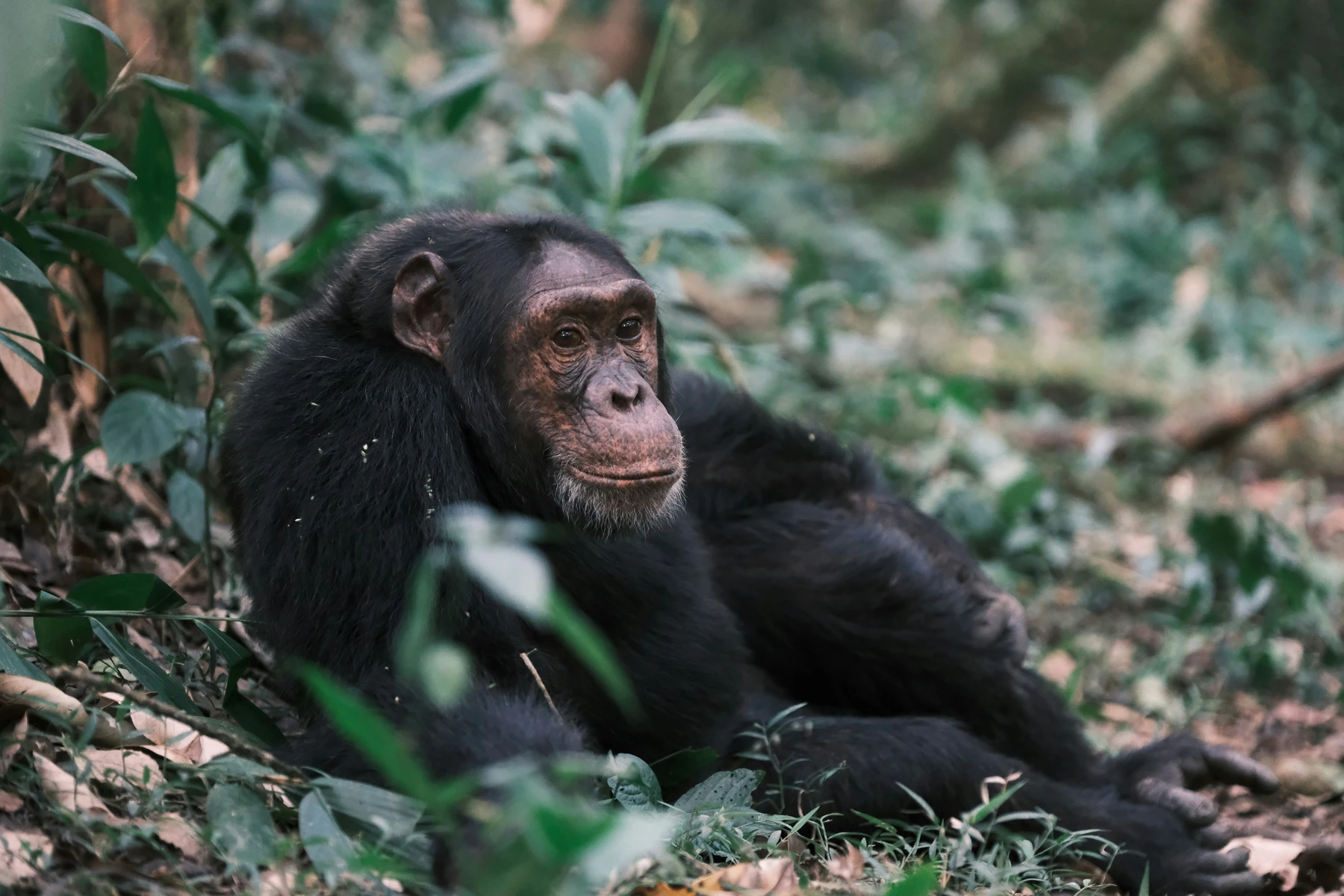
In Kibale Forest, something extraordinary happens with repeat visitors to the chimpanzee habituation experience: the chimps remember them. Unlike gorillas who maintain more distance, chimpanzees actively engage with familiar faces, displaying distinct personalities and preferences.
Researchers know each chimp by name and personality—some playful, others curious, some natural leaders. Regular visitors become part of this extended observation team, noticing behavioral changes, celebrating births, mourning losses. "It's like a soap opera you're actually part of," jokes Jennifer, who's visited Kibale six times. "I know who's feuding with whom, which females are pregnant, which young males are challenging the hierarchy. I schedule my visits around their dramas."
This deep engagement transforms tourists into citizen scientists, contributing observations that aid research while developing profound emotional connections to specific chimpanzee communities.
The Unfinished Conservation Story
The Batwa people, displaced from their ancestral forests when national parks were created, share their story with visitors—not as a tragedy, but as an ongoing journey of adaptation and cultural preservation. First-time visitors learn about traditional hunting methods and forest medicines. Returnees witness the evolution of the community's relationship with conservation.
"Every time I return, there's progress," notes Michael, who's visited the Batwa annually for five years. "New education programs, healthcare initiatives, cultural centers. I'm not just observing their history; I'm witnessing their future being written." Many visitors become long-term supporters, funding specific projects or sponsoring children's education, creating bonds that transcend tourism.
The River That Calls You Back
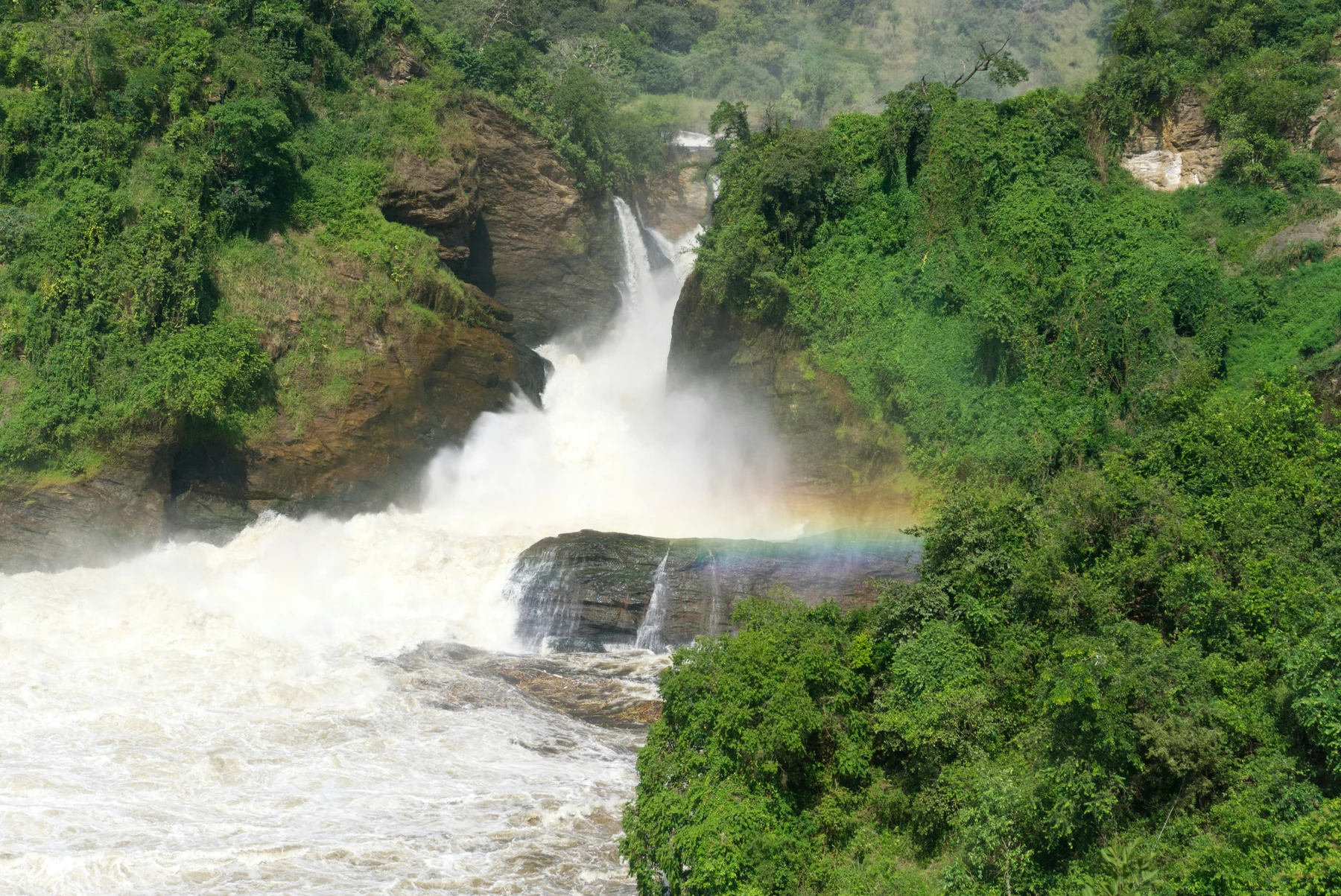
The Nile at Murchison Falls isn't just a sight—it's an experience that changes with your relationship to it. First-timers gasp at the power of water forcing through a seven-meter gap. But returnees discover subtleties: the specific spots where elephants cross at dawn, the fishing eagles that nest in the same trees year after year, the hippo pods with their complex social hierarchies.
Boat operators remember regular visitors, sharing updates about wildlife births, deaths, and dramas that unfolded between visits. "It's like returning to a favorite TV series," explains Patricia, on her sixth visit. "Except it's real, and I'm part of it. The boat captain saves stories for me—which crocodile claimed which territory, which hippo had twins, where the new lion pride has established itself."
The Investment Beyond Tourism
What distinguishes Uganda's return visitors from typical repeat tourists is their evolution from consumers to contributors. They don't just visit communities; they invest in them—funding water projects, supporting schools, establishing long-term partnerships that blur the line between tourist and community member.
The Ride 4 a Woman initiative near Bwindi started with tourists learning basket weaving. Now, many returnees specifically schedule visits around the cooperative's training sessions, not as observers but as mentors, sharing business skills and creating market connections in their home countries. The relationship evolves from cultural exchange to economic partnership.
The Transformation That Demands Witness
Perhaps the most powerful draw for return visitors is the rapid transformation of Uganda itself. This isn't a static destination frozen in time but a dynamic country writing its future in real-time. Conservation successes unfold annually—gorilla populations growing, community tourism initiatives flourishing, young Ugandans innovating at the intersection of tradition and technology.
Returnees become witnesses to this transformation. They watch children they met as shy students become confident guides. They see communities they first encountered in poverty developing sustainable tourism initiatives. They witness conservation victories that seemed impossible during their first visit.
Why Once Is Never Enough
Uganda doesn't just satisfy curiosity; it creates connection. The country "grabs you," as one expat writes, and people find themselves returning to witness unfolding stories, deepen relationships, and understand rhythms that reveal themselves only through repetition.
This isn't about ticking off attractions missed on the first visit. It's about recognizing that Uganda offers something rare in our increasingly disconnected world: the opportunity to belong to something bigger than yourself, to witness and participate in stories that span years, to develop relationships that transcend the transactional nature of tourism.
"I don't visit Uganda anymore. I return home to it. There's a difference, and once you feel it, once is never enough." — Sarah, UK
The real question isn't why travelers return to Uganda. It's how anyone manages to stay away.