
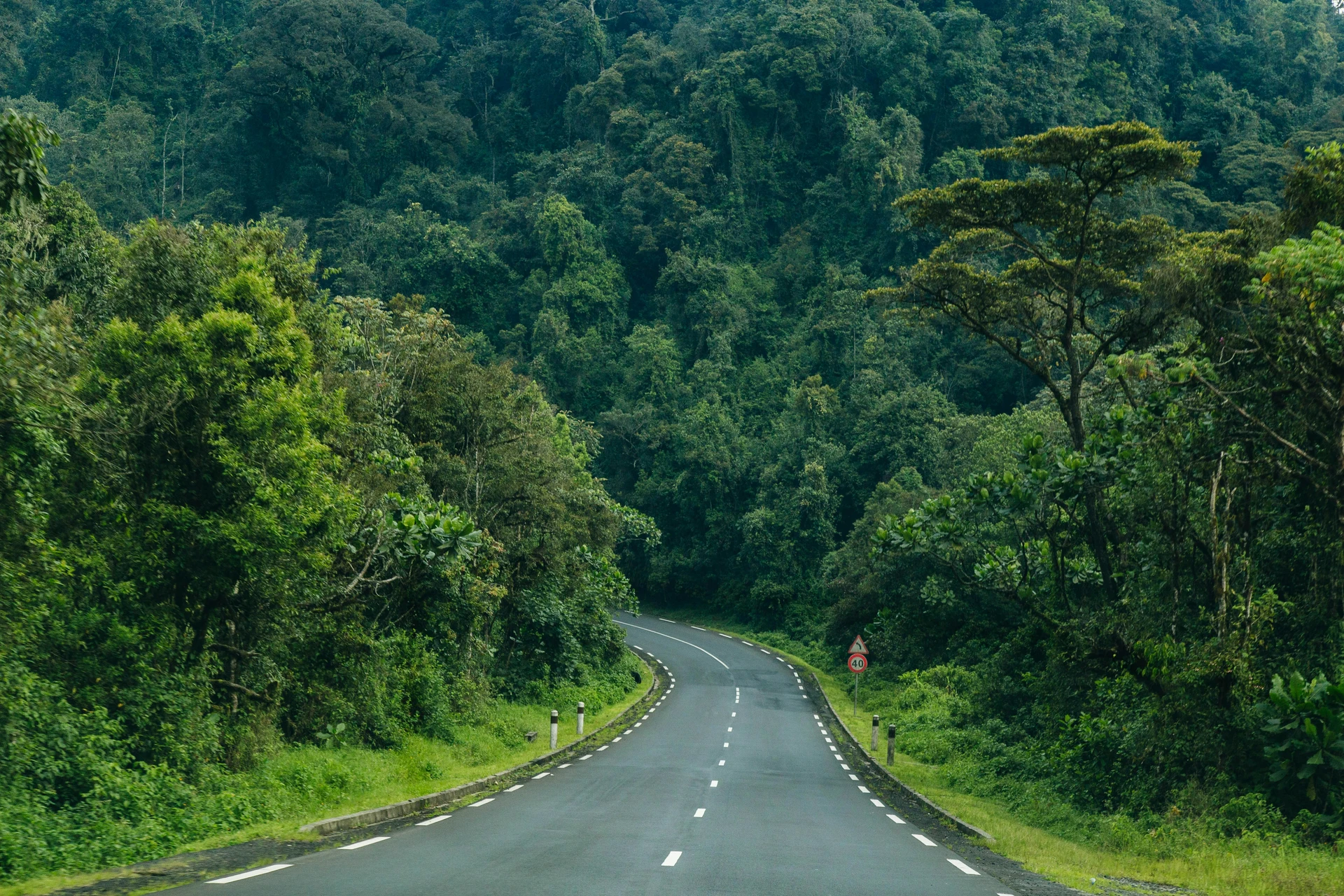
Nyungwe is Rwanda's forest answer to the savannah safari. The southwest is cooler, wetter and slower than the country's headline gorilla route: a mountainous rainforest of primates, birds, trails, tea country and long views that can disappear into mist. It is one of the chapters to weigh when you start with the Rwanda guides or consider the seven-day gorilla and chimpanzee route.
The question is not whether Nyungwe is beautiful. It is whether the forest experience matters enough to shape the route around it. From Kigali, the journey is a substantial road day, and chimpanzee tracking starts early. Add Nyungwe when you want time on foot and a different kind of wildlife encounter—not when you are trying to squeeze one more attraction into a short Rwanda loop.
Nyungwe at a glance
- Location
- Southwestern Rwanda, on the route towards Rusizi and Lake Kivu
- From Kigali
- Plan a long road transfer; exact time depends on the destination, stops and road conditions
- Signature experiences
- Chimpanzee tracking, the guided canopy walkway and forest trails
- Landscape
- Steep montane rainforest, ravines, tea country and waterfalls
- Best fit
- Travellers who enjoy walking, primates, birding and a slower western Rwanda route
- Main trade-off
- The forest is rewarding, but it is not a convenient overnight add-on from Kigali
Experience
What Nyungwe gives you
-
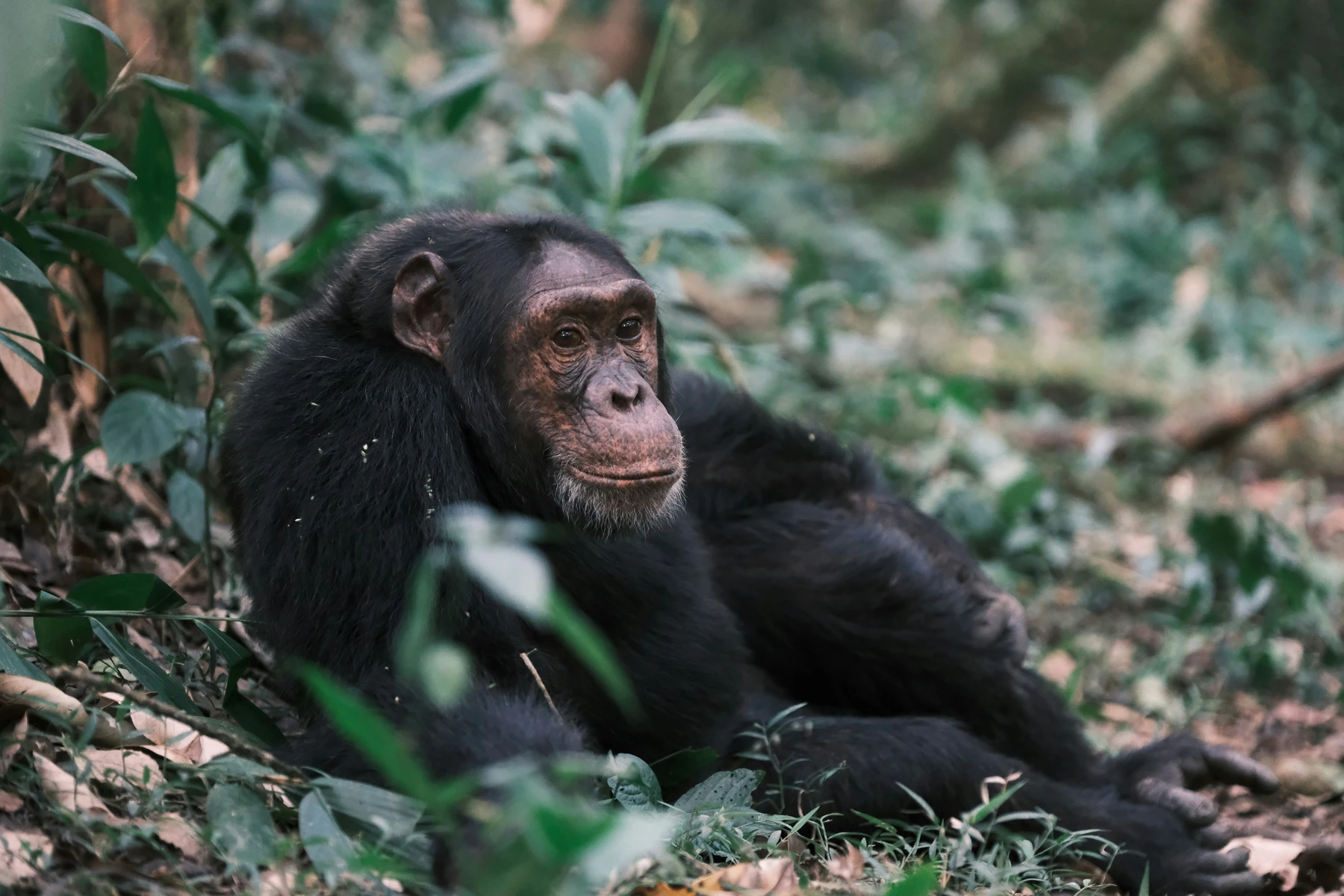
Chimpanzee tracking
Tracking starts early and can last from about an hour to several hours, depending on where the chimpanzees are. Once a group is found, the official visitor experience allows up to one hour with them. Hearing calls before seeing the animals is part of the forest's uncertainty; sightings are never a guarantee.
-
The canopy walkway
Visit Rwanda describes a guided 160-metre walkway suspended about 70 metres above a ravine. It is reached by a forest walk from Uwinka and is an experience in its own right, not simply a photo stop.
-
Walking through a living forest
Nyungwe's steep trails lead through ravines, waterfalls, wetlands and tea-country edges. The forest rewards people who notice birds, plants, weather and terrain as much as those looking for one flagship animal.
-
A western Rwanda route
Nyungwe works naturally with Lake Kivu, especially when the route continues north through Rusizi, Karongi or Rubavu. The connection is scenic, but the roads still take time; map the sequence before promising a relaxed lakeside afternoon.
The forest asks for a different pace
Chimpanzee tracking is a physical forest activity, not a vehicle safari. Visit Rwanda notes a 05:30 start, steep and slippery terrain and a trek that can last several hours. Wear footwear with grip, carry a light rain layer and keep the day after the trek flexible enough for weather or a slow return.
The canopy walk also involves a guided approach on forest paths. It is open year-round according to current Visit Rwanda guidance, but rain is more likely in the afternoon and the paths can become muddy. A forest day is better when the itinerary leaves space for that reality.
Nyungwe has many primates and strong birding potential, but dense forest makes wildlife viewing variable. Do not import savannah expectations into the canopy: you may hear more than you see, and that is not a failed visit.
Is Nyungwe worth the detour?
Add Nyungwe if…
- Chimpanzees or forest walking are central reasons you want to visit Rwanda.
- You can give the southwest enough nights to absorb an early start and a long transfer.
- You enjoy primate tracking, birding, waterfalls or landscapes that reward patience.
- Lake Kivu is already part of the route and you want the western section to feel like a journey rather than a pass-through.
- You accept that a forest visit is about habitat and atmosphere as much as guaranteed sightings.
Think carefully if…
- You have only one spare night after a gorilla trek in the north.
- Long road transfers are the part of travel you are most trying to avoid.
- Your group is not comfortable with steep, muddy trails or a pre-dawn start.
- You are choosing Nyungwe only because it offers many activities; no itinerary can fit every trail, waterfall and primate encounter.
- You need a predictable wildlife checklist rather than a weather-shaped forest day.